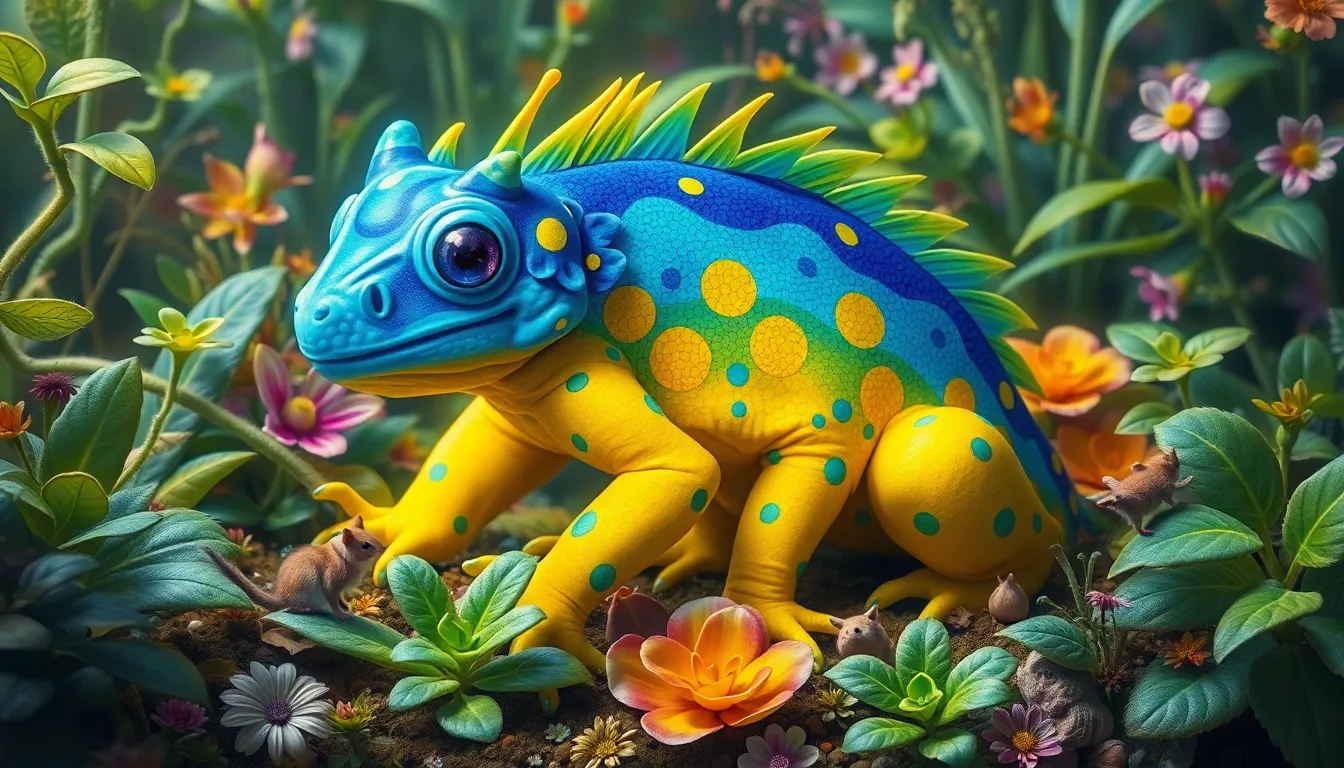
In a world where trends come and go faster than a cat video can go viral, pertostrums have emerged as the quirky underdog everyone didn’t know they needed. Imagine a creature that’s part whimsical fantasy and part scientific marvel, captivating the imagination while leaving experts scratching their heads. These little wonders aren’t just a conversation starter; they’re a delightful blend of mystery and charm that can brighten even the dullest of days.
Table of Contents
ToggleOverview of Pertostrums
Pertostrums exhibit fascinating traits, captivating all who encounter them. These enchanting creatures embody a whimsical charm that bridges fantasy and scientific intrigue. Their vibrant colors and playful behaviors often evoke smiles and spark conversations among diverse audiences.
Origins of pertostrums remain somewhat mysterious, with few documented accounts shedding light on their emergence. Many experts suggest they evolved in environments rich in creativity, thriving where imagination thrives. Observers report unique patterns among different species, highlighting variations in shape, size, and coloring.
Interactions with pertostrums yield delightful experiences. People frequently describe encounters as joyful and uplifting, contributing to a sense of wonder in an otherwise fast-paced world. Communities have formed around shared interests in this phenomenon, fostering collaboration and creativity. Discovering new aspects of pertostrums captivates both enthusiasts and casual observers alike.
Research surrounding pertostrums continues to grow. Scientists aim to understand their biological makeup and ecological roles. Notable findings include their ability to adapt quickly and their potential impact on local ecosystems. Enthusiastic researchers explore the interplay between these creatures and their environments, offering insights into biodiversity and conservation.
Pertostrums are more than fleeting trends; they represent a blend of fantasy, joy, and scientific inquiry. Their presence encourages exploration and a deeper understanding of the natural world. Engaging with pertostrums highlights the importance of creativity and curiosity, making them an enduring source of fascination.
Historical Background
Pertostrums emerged from a blend of creativity and curiosity, capturing interest across various cultures and communities. Their unique traits and behaviors have drawn attention both in informal gatherings and scientific conferences.
Discovery and Development
Discovery of pertostrums took place in the early 21st century, sparked by enthusiasts sharing sightings online. Researchers stumbled upon these whimsical creatures while investigating biodiversity in artful habitats. As documentation expanded, information about their vibrant colors and playful interactions came to light. Different species exhibited distinct patterns, showcasing how environmental influences shaped their development. Ongoing studies reveal that pertostrums thrive in diverse ecosystems, adapting their behaviors to blend seamlessly into their surroundings.
Key Contributors in Pertostrums Research
Key contributors in pertostrums research include biologists, ecologists, and artists eager to uncover secrets of these enchanting beings. Renowned scientists published studies analyzing their biological makeup, highlighting unique genetic traits among species. Artists played a significant role by depicting pertostrums in various media, sparking interest and curiosity among the public. Collaborative efforts between researchers and creative minds fostered a thriving community dedicated to understanding these creatures. Contributions from citizen scientists further enriched the knowledge base, leading to discoveries that bridge art and science.
Characteristics of Pertostrums
Pertostrums display a range of distinctive characteristics that intrigue researchers and enthusiasts alike. Their unique traits contribute to their charm and appeal across various communities.
Physical Attributes
Pertostrums exhibit vibrant colors, showcasing shades that range from deep blues to bright yellows. Varied species possess different shapes and sizes. Some feature elongated bodies, while others present more compact forms. Their skin often displays intricate patterns, which serve as camouflage within their colorful habitats. Observations suggest that these attributes not only attract attention but also play a significant role in their survival.
Behavioral Patterns
Playful interactions characterize the behavior of pertostrums, capturing the fascination of those who encounter them. Social structures often emerge among groups, with individuals engaging in cooperative activities. Communication methods vary, including visual signals and melodic sounds. Adaptability defines their behavioral patterns, allowing them to thrive in diverse environments. Observers frequently note these enchanting creatures actively exploring their surroundings, enhancing their communities’ joy and curiosity.
Applications of Pertostrums
Pertostrums find various applications in both scientific research and environmental contexts, showcasing their importance beyond mere fascination.
Scientific Research
Researchers investigate pertostrums to uncover genetic traits and behaviors. Studies reveal diverse adaptations within their species. Biologists focus on the ecological roles these creatures play in their habitats. Collaborative efforts among scientists, ecologists, and artists foster a deeper understanding of pertostrums. Genetics exploration contributes to insights into evolutionary patterns. These findings enhance knowledge in biodiversity and conservation efforts. Observations of their social behaviors provide valuable data on cooperative interactions among species. Academic publications featuring peer-reviewed research hold significance in advancing the field.
Environmental Impact
The presence of pertostrums significantly influences local ecosystems. Their activities contribute to nutrient cycling and habitat stability. Interactions with various plant and animal species create a balance in their environments. Pertostrums promote biodiversity by enabling numerous species to coexist. Observing their behaviors helps assess the health of their habitats. Monitoring their populations provides insights into environmental changes. Their adaptations signal shifts in ecological conditions, making them key indicators of ecosystem health. Efforts to conserve pertostrums underscore their role in maintaining ecological integrity.
Current Trends in Pertostrums Studies
Researchers actively explore pertostrums through innovative methods. Techniques such as genetic sequencing provide deep insights into their unique traits. Advanced imaging technologies capture the vibrant colors and intricate patterns found on their bodies. Collaborative research projects leverage the knowledge from biologists and artists, creating multidisciplinary approaches to their study. Citizen scientists contribute significantly, sharing observations that enhance data collection.
Future directions in pertostrums research look promising. Scientists aim to investigate how environmental changes affect their behaviors and habitats. They plan to conduct extensive field studies in various ecosystems, seeking to understand adaptation mechanisms. Teams will utilize technology to monitor population dynamics and social interactions. Greater collaboration across disciplines can lead to significant discoveries regarding biodiversity and conservation efforts.
Pertostrums continue to captivate imaginations and inspire curiosity across various fields. Their vibrant colors and playful behaviors not only bring joy but also highlight the intricate connections between art and science. As research progresses, these enchanting beings reveal their significance in ecosystems and biodiversity.
The collaborative efforts of scientists and artists pave the way for deeper understanding and appreciation of pertostrums. Their role as indicators of environmental health underscores the importance of conserving these unique creatures. With ongoing studies and innovative methodologies, the future holds exciting possibilities for uncovering more about pertostrums and their influence on our world.